Planning Tours to Cuba: A Complete, Practical Guide for Travelers
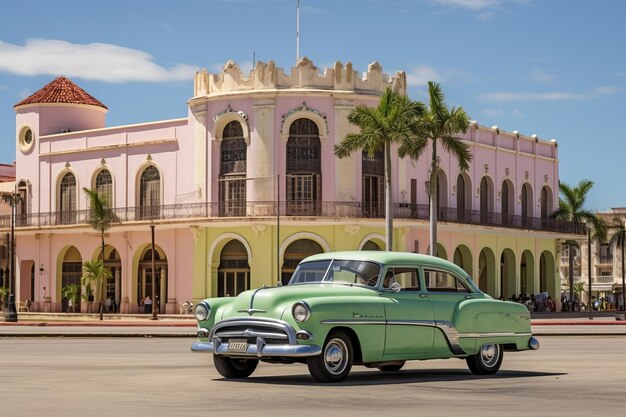
Cuba has a way of capturing imaginations long before anyone steps off the plane. Vintage cars, pastel buildings, live music drifting through cobblestone streets, and dramatic mountain and beach landscapes all contribute to its unique appeal.
Planning tours to Cuba, however, can feel different from organizing a trip to other destinations. Rules, logistics, and cultural nuances play a bigger role, and understanding them can make the experience much smoother and more rewarding.
This guide walks through what travelers commonly consider when planning Cuba tours: legal frameworks, tour types, key destinations, cultural etiquette, money and connectivity, and practical planning tips.
Understanding the Basics of Tours to Cuba
Tours to Cuba typically involve a bit more structure and preparation than trips to many other countries. Travelers often organize their visit through:
- Group tours with scheduled itineraries
- Private guided tours tailored to specific interests
- Independent trips with local day tours in each city
While each approach has its own style, several core factors stay the same:
- There are specific entry and travel categories that travelers use depending on their nationality and local regulations.
- Travelers often plan their activities around cultural exchange, history, arts, and community experiences.
- Many visitors prefer locally guided tours to navigate language, transportation, and logistics.
The details can vary widely by country and by tour provider, so travelers generally benefit from checking current requirements in their place of residence before booking.
Legal and Entry Considerations
General entry requirements
Many travelers to Cuba encounter:
- Tourist cards or visas: Often required and sometimes arranged through airlines or tour operators.
- Travel insurance: Some visitors are asked to show proof of medical coverage valid in Cuba.
- Return or onward tickets: Commonly needed as part of entry documentation.
Policies can change over time, so travelers typically review the current requirements with airlines or consular information sources before departure.
Organized tours vs. independent travel
Some visitors choose organized tours to Cuba because they:
- Offer pre-arranged logistics (transport, accommodations, guides)
- Often include category-compliant activities for travelers coming from places with special rules about Cuba
- Provide local expertise and interpretation of history and culture
Others prefer a more independent structure, booking flights and accommodation on their own, then adding:
- Walking tours of historical districts
- Day trips to nearby towns and natural areas
- Themed tours focused on music, architecture, or food
Both approaches can offer rich experiences, and many travelers combine them: for example, starting with a guided city tour, then exploring on their own.
Types of Tours to Cuba
1. Cultural and Historical Tours
These are some of the most popular tours to Cuba. They often revolve around:
- Old Havana (Habana Vieja): Colonial plazas, forts, cathedrals, and restored historical buildings
- Museums and cultural centers: Covering arts, revolutionary history, and local heritage
- Literary, music, or architecture-focused itineraries
Cultural tours generally include guided storytelling about Cuba’s complex past and present, helping travelers understand how history shapes daily life.
2. Music, Dance, and Arts Tours
Cuba is widely recognized for its contribution to music and dance. Many tours focus on:
- Live music experiences in clubs, casas de la música, and small venues
- Dance-focused visits, including salsa, rumba, or son lessons
- Art studio and gallery visits, where travelers interact with local artists
These itineraries often appeal to travelers who want immersive, hands-on experiences rather than only sightseeing.
3. Nature and Outdoor Tours
Beyond its cities, Cuba offers a range of landscapes:
- Viñales Valley: Known for green valleys, limestone hills, and traditional tobacco farms
- Sierra Maestra and other mountain regions: Hiking, viewpoints, and historical sites
- Beaches and coastal areas: White sand, coral reefs, and marine environments
Nature-focused tours may combine light hiking, rural visits, and time at the beach in a single itinerary.
4. City-Hopping and Multi-City Tours
Many tours to Cuba follow a multi-city route, such as:
- Havana → Viñales → Cienfuegos → Trinidad → Santa Clara
- Havana plus one or two secondary cities for shorter trips
These tours give a balanced view of:
- Urban life and nightlife
- Smaller coastal cities
- Colonial-era towns
- Rural and agricultural regions
5. Specialty and Themed Tours
Some visitors look for more specialized tours, for example:
- Photography tours
- Classic car-themed experiences
- Culinary or rum-focused itineraries
- Architecture and heritage tours
These tours generally combine standard sightseeing with deeper exploration of one theme.
Key Destinations Often Included in Cuba Tours
Havana
Havana is usually the starting point for tours to Cuba. Common highlights include:
- Old Havana: Four main plazas, restored buildings, cathedrals, and fortresses
- The Malecón: The seaside promenade that becomes especially lively at sunset
- Central Havana and Vedado: Neighborhoods showing a mix of historic and modern life
- Classic car rides: Often around the city or along the Malecón
Many guided tours in Havana emphasize music, art, and daily local routines, not just monuments.
Viñales
The Viñales Valley is known for:
- Dramatic limestone formations
- Tobacco and other traditional farms
- Horseback, hiking, or cycling excursions
Visitors frequently stay in guesthouses (casas particulares) and join short guided tours to farms and viewpoints.
Trinidad
Trinidad is often included for its:
- Cobbled streets and colonial plazas
- Nearby beaches and waterfalls
- Small museums and live music spaces
Tours here often balance heritage exploration by day with music and dance in the evening.
Cienfuegos and Santa Clara
- Cienfuegos: Sometimes called the “Pearl of the South,” with French-influenced architecture and a coastal setting.
- Santa Clara: Known for its historical significance and monuments connected to Cuba’s revolutionary period.
These cities are frequently included on overland routes between Havana and the central or eastern parts of the island.
Beach and Resort Areas
Many tours to Cuba end with a relaxing beach segment, often in:
- Well-known resort areas on the northern coast
- Smaller coastal towns that combine local life with beach access
Activity-focused tours may also add snorkeling or boat excursions to explore coral reefs and marine life.
Accommodation Options on Tours to Cuba
Hotels
Hotels in Cuba range from historic properties in city centers to larger coastal complexes. Visitors often note:
- Central locations in major cities
- A mix of modern and vintage atmospheres
- Varying levels of amenities and services
Tour packages may include hotels selected for their location and logistical convenience.
Casas Particulares (Private Guesthouses)
Casas particulares are private homes or apartments licensed to host guests. Many travelers consider them:
- A window into daily Cuban life
- A way to support local households directly
- A more personal and conversational lodging experience
Some tours to Cuba are built primarily around stays in casas particulares, while others combine casas with hotels.
Transportation and Getting Around
Within Cities
Travelers in Cuban cities typically use a mix of:
- Walking in central, pedestrian-friendly areas like Old Havana and Trinidad
- Taxis and classic cars for longer rides
- Pre-arranged transport through tour operators for airport transfers and day trips
City tours often provide their own vehicles and guides, making navigation straightforward.
Between Cities
Common options for multi-city routes include:
- Tour buses or private vehicles arranged through tour organizers
- Intercity buses on standard routes
- Domestic flights on some longer segments, depending on availability
Organized tours usually handle these transfers as part of the itinerary, which many travelers find convenient in a country where schedules and transport can vary.
Money, Connectivity, and Practical Logistics
Currency and Payments
Travelers to Cuba often experience:
- Multiple currency practices that can be confusing at first
- A largely cash-based environment, especially outside main tourist zones
- Limited acceptance of foreign debit and credit cards, depending on the card issuer and country of origin
Because of this, visitors tend to:
- Bring a mix of cash in widely used foreign currencies to exchange locally
- Keep small denominations for tips, taxis, and small purchases
- Confirm in advance whether cards are likely to work based on their own bank and country
Mobile Service and Internet
Connectivity in Cuba is improving but can feel different from other popular destinations:
- Public Wi-Fi hotspots are available in many urban areas, but coverage can be uneven.
- Some hotels, casas, and public areas offer Wi-Fi, often requiring access codes or cards.
- International roaming works for some travelers, but costs and coverage can vary widely.
Many visitors expect slower or less constant connections and plan offline maps and documents ahead of time.
Health, Safety, and General Comfort
Travelers often pay attention to:
- Sun protection, hydration, and heat in tropical conditions
- Local food and water sources, adjusting according to their own comfort and routine
- Travel insurance, since this is commonly requested or required
Cuba is often described as relatively calm and welcoming to visitors, with many locals accustomed to interacting with tourists. As in any destination, travelers generally stay aware of their surroundings, use common-sense precautions, and secure their belongings.
Cultural Etiquette and Everyday Interactions
Understanding and respecting local norms can make tours to Cuba feel more meaningful.
Social Interaction
Many visitors notice that Cubans, in general:
- Tend to be warm, expressive, and conversational
- Show pride in music, dance, sports, and national identity
- Are receptive to respectful questions about daily life, history, and culture
Simple efforts—like basic Spanish greetings or polite curiosity—often lead to deeper exchanges.
Photography and Privacy
Cuba is visually striking, and photography is a major draw. Still, travelers commonly keep in mind:
- Asking permission before photographing individuals, especially in close-ups
- Being mindful in sensitive locations such as government buildings or military sites
- Showing respect in religious or ceremonial contexts
Some tours include photography guidance, especially on specialized photo trips.
Tipping and Small Gestures
In many tourist-facing contexts, tipping is part of local income. Travelers typically:
- Offer small tips to guides, drivers, musicians, and service staff where customary
- Use local currency or small foreign denominations for convenience
This can be particularly important because many people working in tourism rely on these gestures.
How to Choose the Right Cuba Tour for You
The “right” tour to Cuba depends largely on personal preferences, budget, and travel style. The following table summarizes some common options and what they tend to offer:
| Tour Style | Typical Features | Good For |
|---|---|---|
| Small Group Cultural Tour | Pre-set itinerary, shared bus/van, guided visits | Travelers who enjoy structure and group interaction |
| Private Custom Tour | Tailored schedule, private guide and transport | Couples, families, or small groups wanting flexibility |
| Independent Travel + Local Day Tours | Self-booked lodging/transport, local guides in each city | Experienced travelers who like autonomy |
| Special Interest Tour (music, dance, photography) | Themed activities, workshops, insider access | Enthusiasts wanting deeper focus on one passion |
| City + Beach Combo Tour | Urban exploration followed by coastal relaxation | Travelers wanting culture plus downtime |
Quick-Reference Tips for Planning Tours to Cuba 🧭
Here are some skimmable, practical considerations that many travelers find useful:
🛂 Check entry requirements early
- Confirm visa or tourist card needs, travel categories, and any documentation before booking flights.
✈️ Decide on your tour style
- Choose between fully organized group tours, private guided trips, or independent travel with add-on day tours.
🏠 Consider casas particulares
- Staying in private guesthouses often creates more direct interaction with local hosts and everyday life.
💵 Plan for cash-based expenses
- Bring a reasonable amount of foreign currency and expect limited card use, especially outside main hotels and shops.
📶 Prepare for limited connectivity
- Download maps, key translations, and confirmations offline; expect patchy or slow internet at times.
🎶 Embrace local culture
- Attend live music, try local dishes, and engage with art and dance; these often become the most memorable parts of a Cuba tour.
🌞 Pack for climate and comfort
- Lightweight clothing, sun protection, and comfortable walking shoes are helpful for city tours and day trips.
💬 Learn a few Spanish phrases
- Simple greetings and polite expressions can help conversations flow more easily and respectfully.
Bringing It All Together
Tours to Cuba are less about ticking off sights and more about immersion—music echoing through side streets, conversations on shaded doorsteps, landscapes that shift from city to valley to sea. The extra planning involved, including entry requirements, currency, and connectivity, often pays off in a richer, more grounded experience.
By understanding the main types of tours, the key destinations, and the practical realities of traveling in Cuba, visitors can shape an itinerary that feels both manageable and deeply engaging, turning a long-imagined destination into a vivid, lived experience.
Related Topics
- 7 Day Cuba Tours
- Affordable Cuba Tours
- All-inclusive Cuba Tours
- Best Cuba Tours
- Classic Car Cuba Tours
- Cuba Tours
- Cuba Tours 2025
- Cuba Tours Booking Process
- Cuba Tours COVID Restrictions
- Cuba Tours For Americans
- Cuba Tours From Miami
- Cuba Tours From Usa
- Cuba Tours Packages
- Cuba Tours Reviews
- Cuba Tours Travel Insurance
- Cuba Tours Visa Requirements
- Cuba Travel Tours
- Culinary Cuba Tours
- Cultural Cuba Tours
- Eastern Cuba Tours
- Havana Cuba Tours
- Havana Tours In Cuba
- Luxury Cuba Tours
- Multi-city Cuba Tours
- Photography Cuba Tours