Experiencing Cuba Tours: A Complete Guide to Planning Your Trip
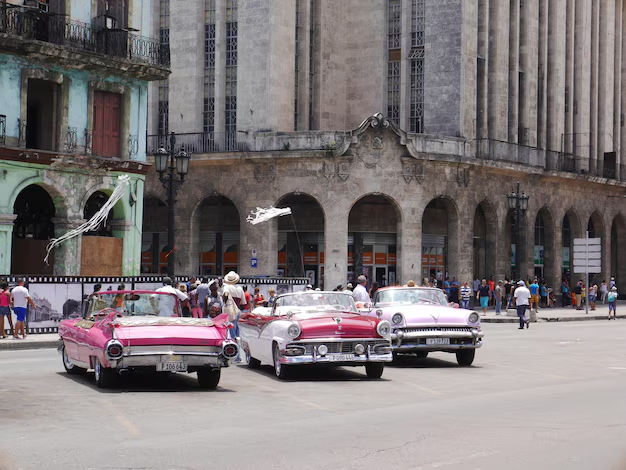
Cuba often feels like a place where time pauses for a moment: classic cars rolling past colonial facades, music drifting from open doorways, and neighborhoods where people still stop to talk in the street. Cuba tours offer a structured way to experience this richness, whether you are curious about history, art, beaches, nature, or everyday local life.
This guide explores the main types of Cuba tours, what to expect, and how to choose an experience that matches your interests, comfort level, and travel style.
Why Consider a Tour in Cuba?
Travel in Cuba can feel different from other destinations. Internet access is more limited, not every place takes cards, and transportation may be less predictable than some travelers are used to. Because of that, many visitors find that organized tours provide:
- A clear structure in a country where logistics can be complex
- Local context about politics, history, music, and daily life
- Easier access to transportation, guided visits, and accommodations
- More opportunities to interact with Cuban hosts, guides, and communities
Independent travel is possible and rewarding, but tours can simplify the experience, especially for first-time visitors or those on a tight schedule.
Main Types of Cuba Tours
1. Classic City Tours: Havana and Beyond
City tours are some of the most popular Cuba tours, especially for short stays.
Typical features of city tours in Cuba:
- Guided walks through Old Havana (Habana Vieja) with its plazas and colonial buildings
- Visits to historical sites like fortresses, museums, and notable squares
- Stops at famous viewpoints, waterfront promenades, and cultural landmarks
- Optional experiences such as classic car panoramas, evening music shows, or visits to local markets
Many travelers find that a walking tour is the best first step: it orients you, introduces key neighborhoods, and gives background that makes the rest of your trip more meaningful.
Beyond Havana, popular city tour bases include:
- Trinidad – cobblestone streets, pastel houses, and nearby valleys and beaches
- Cienfuegos – French-influenced architecture and waterfront charm
- Santiago de Cuba – strong Afro-Cuban cultural heritage and historic sites
2. Cultural and People-Focused Tours
Many Cuba tours emphasize culture and daily life rather than just sightseeing.
These often include:
- Time in privately run guesthouses (casas particulares)
- Conversations with artists, musicians, or local entrepreneurs
- Visits to community projects, dance studios, or art schools
- Meals in family-run restaurants (paladares)
These tours aim to give insight into:
- How Cubans navigate the economy and daily challenges
- The role of music, dance, and religion in community life
- The contrast between historic narratives and present-day reality
Travelers who value human connection and context often gravitate toward these experiences.
3. Nature and Outdoor Adventure Tours
Cuba is not only cities and music; it also offers mountains, valleys, caves, and coastline.
Common nature-focused Cuba tours include:
- Hiking in mountain ranges or national parks
- Tobacco-region excursions, especially in Viñales, with visits to farms and viewpoints
- Caving, birdwatching, or horseback riding in rural areas
- Snorkeling or diving on coral reefs along the northern or southern coasts
These tours typically mix moderate activity with cultural visits, such as farm lunches or local homestays.
4. Beach and Resort-Based Tours
Some tours focus more on relaxation and resort stays, often along Cuba’s popular beach areas.
These may include:
- Scheduled time at all-inclusive resorts or beachfront hotels
- Optional day trips to nearby towns or cultural sites
- Organized boat trips, snorkeling excursions, or sunset cruises
Travelers on these tours often split their time between:
- A beach base where most services are on-site
- Short cultural or city excursions to Havana or other towns
This style suits people who want convenience and downtime with a taste of Cuban culture.
5. Themed Special-Interest Cuba Tours
Some Cuba tours are built around specific themes:
- Music and dance – live performances, dance lessons, visits to music venues
- Art and photography – street photography sessions, studio visits, gallery stops
- History and politics – revolutionary landmarks, lectures, and contextual city walks
- Food and cooking – market visits, cooking demonstrations, and paladar meals
These tours usually combine expert guidance in the theme area with local cultural experiences, appealing to travelers who prefer depth over breadth.
Group Tours vs. Private Tours in Cuba
Group Tours
Group tours gather several travelers under one shared itinerary.
Common characteristics:
- Fixed schedule and route
- Shared transportation and guide
- Group meals or optional social activities
- Often priced per person, sometimes more budget-friendly than private options
These can be a fit for people who:
- Prefer to meet others while traveling
- Want a clear, pre-organized plan
- Are comfortable adjusting to group pace and preferences
Private Tours
Private tours serve individuals, couples, families, or small groups with a customized approach.
They often provide:
- A flexible schedule tailored to your pace
- The ability to focus on specific interests (e.g., architecture, dance, street life)
- More privacy and one-on-one time with guides
These tend to work well for travelers who:
- Value control and customization
- Have specific mobility, dietary, or comfort needs
- Prefer a quieter, more personal experience
Multi-Day Itineraries vs. Day Tours
Single-Day Tours
Common among visitors with limited time, such as cruise or short-stay travelers:
- City highlights in Havana or another major town
- Day trip to Viñales or another nearby destination
- Themed half-day experiences (e.g., city walk plus classic car ride)
These tours provide a snapshot of Cuba.
Multi-Day Tours
Multi-day Cuba tours typically include:
- Several destinations (e.g., Havana → Viñales → Trinidad → beach town)
- Inclusions such as accommodation, some meals, and transport
- Time for guided activities plus personal exploration
Travelers often find that multi-day tours allow for a more rounded picture of Cuban life, beyond a single city or theme.
What to Expect on a Typical Cuba Tour
While each tour has its own style, travelers can generally expect:
- Structured days: a mix of guided activities and free time
- Local guides: often bilingual, sharing history, anecdotes, and practical tips
- Transport: a range of vehicles, from modern coaches to classic cars or shared taxis
- Accommodation: a combination of hotels and casas particulares
- Meals: sometimes included, often at local restaurants or home-style dining rooms
Because conditions in Cuba can be changeable, itineraries sometimes adjust due to:
- Weather
- Local events
- Supply or service availability
A flexible mindset generally improves the experience.
Practical Planning Considerations for Cuba Tours
1. Entry Requirements and Regulations
Travel to Cuba involves country-specific rules that can change over time, especially for travelers from certain nations.
Key points to check in advance:
- Entry category or purpose of travel
- Tourist card or visa requirements
- Any restrictions or conditions linked to your nationality
It is important to review the current official guidance for your country before booking.
2. Money and Payments
Cuba’s money and payment landscape can feel unfamiliar.
General patterns include:
- Cash remains important, especially outside larger hotels or high-traffic tourist zones
- Bank cards from certain countries or banks may not work reliably
- Some services may accept foreign currencies, but availability and practice can vary by location
Travelers often plan:
- A mix of cash and cards where allowed
- Backup options in case a card terminal is unavailable
3. Connectivity and Internet Access
Internet access in Cuba is improving but can still be:
- Slower and less consistent than in many other destinations
- Concentrated around hotels, certain public areas, and Wi-Fi zones
Many travelers:
- Download offline maps before arrival
- Keep key documents and reservations saved offline
- Use the opportunity to disconnect more than usual
4. Health, Safety, and Comfort
Cuba is widely regarded as a welcoming destination for visitors.
Common traveler practices include:
- Drinking bottled or treated water
- Packing basic medications and personal care items, since product availability can vary
- Using sun protection and staying hydrated in warm weather
Most tours outline what to bring and what will be available on-site, especially for nature or outdoor-focused itineraries.
5. Cultural Sensitivity and Expectations
Cuba tours often bring visitors into close contact with local communities.
Some general cultural considerations:
- Politeness and respect go a long way, especially when discussing politics or economics
- Photography of people is often welcome but asking permission is considered courteous
- Many travelers choose to support local businesses—small restaurants, artisans, or family stays—when possible
Approaching interactions with curiosity and humility tends to lead to more meaningful connections.
Choosing the Right Cuba Tour for You
When comparing options, it can help to think in terms of your priorities: pace, comfort, budget, and themes.
Quick Comparison Table 🧭
| Priority | Better Fit | What to Look For |
|---|---|---|
| First-time visitor | Small-group or classic highlights | Havana + 1–2 extra destinations |
| Deep cultural immersion | People-focused / themed cultural | Homestays, local experiences, community visits |
| Relaxation and simplicity | Resort-based with day tours | Beach base + optional cultural excursions |
| Flexibility and privacy | Private custom tour | Tailored schedule and interests |
| Nature and activity | Outdoor or adventure-focused | Hiking, rural stays, farm or valley visits |
Key Takeaways for Planning Cuba Tours
Here’s a short, skimmable summary to ground your planning:
- ✅ Clarify your focus: culture, history, beaches, nature, or a mix
- ✅ Decide on style: group vs. private, day tour vs. multi-day itinerary
- ✅ Check entry rules for your nationality well before booking
- ✅ Plan for limited connectivity: offline maps and saved documents
- ✅ Expect some flexibility in schedules and services
- ✅ Engage respectfully with local culture and daily realities
- ✅ Budget for cash needs, especially outside major tourist hubs
Making the Most of Your Cuba Tour
A well-chosen Cuba tour can feel less like a packaged product and more like a guided introduction to a complex, living place. You may find yourself sharing coffee with a host family, listening to impromptu street music, or standing in a square where multiple eras of history overlap.
By understanding the main types of tours, the practical realities on the ground, and the cultural context, you can select an experience that fits your interests and expectations—whether that means a structured group journey, a personalized private itinerary, or a simple day tour that becomes the starting point for your own exploration of Cuba.
Related Topics
- 7 Day Cuba Tours
- Affordable Cuba Tours
- All-inclusive Cuba Tours
- Best Cuba Tours
- Classic Car Cuba Tours
- Cuba Tours 2025
- Cuba Tours Booking Process
- Cuba Tours COVID Restrictions
- Cuba Tours For Americans
- Cuba Tours From Miami
- Cuba Tours From Usa
- Cuba Tours Packages
- Cuba Tours Reviews
- Cuba Tours Travel Insurance
- Cuba Tours Visa Requirements
- Cuba Travel Tours
- Culinary Cuba Tours
- Cultural Cuba Tours
- Eastern Cuba Tours
- Havana Cuba Tours
- Havana Tours In Cuba
- Luxury Cuba Tours
- Multi-city Cuba Tours
- Photography Cuba Tours
- Small Group Cuba Tours