Classic Car Cuba Tours: How to Experience Havana’s Iconic Rides the Right Way
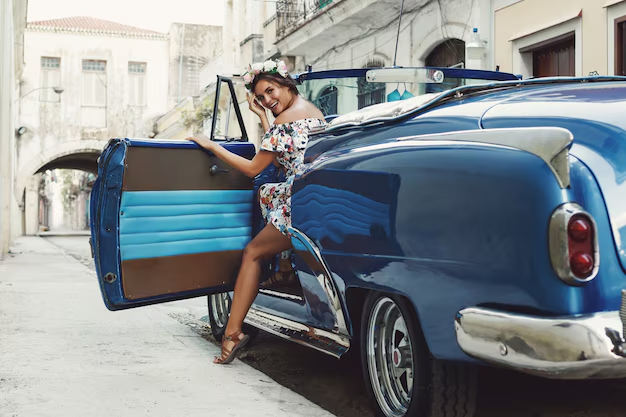
Chrome grilles, sweeping fenders, pastel paint, and the sound of an old V8 rolling along the Malecón – for many travelers, classic car Cuba tours are the picture they have in mind long before the plane lands. These cars are more than props; they are part of the country’s daily life, history, and identity.
This guide walks through what classic car tours in Cuba are really like, how they work, what to expect, and how to make the most of the experience while staying respectful and informed.
What Makes Classic Car Cuba Tours So Special?
A rolling snapshot of Cuban history
Cuba’s classic cars are often described as “time capsules on wheels.” Many arrived before the late 1950s and stayed on the road through decades of ingenuity and repair. Over time, they became:
- Everyday transport for locals
- Unofficial symbols of Havana and Cuban tourism
- Cultural artifacts that blend U.S. car design with Cuban resourcefulness
For visitors, a ride in one of these cars often combines:
- The visual drama of mid-century design
- The ambiance of open-air cruising in tropical light
- The narrative of Cuba’s social, political, and economic past
More than a photo op
While it is common to see people posing in front of bright pink convertibles, many guides and drivers also use classic car tours to:
- Share personal stories about life in Cuba
- Explain how these cars are maintained and adapted
- Provide context on architecture, neighborhoods, and landmarks along the route
In practice, a classic car tour can be both a scenic ride and a moving conversation about Cuba.
Types of Classic Car Tours in Cuba
Classic car experiences in Cuba vary by route, length, and style. The following formats are widely observed in major cities.
City highlight drives
These tours focus on the most recognizable areas, often in Havana or other major cities.
Common features:
- Panoramic circuits around Old Havana, the Malecón, and central squares
- Stops at major landmarks, such as plazas, forts, or parks
- Opportunities for photos at scenic viewpoints
These tours tend to emphasize views and atmosphere, sometimes with basic commentary from the driver.
Themed historical or cultural routes
Some tours are framed around a specific theme, such as:
- Revolution-era landmarks and political history
- Architecture-focused routes that showcase colonial, neoclassical, and modernist styles
- Routes highlighting religious, musical, or artistic traditions
Drivers or guides on these routes often provide deeper explanations of the sites, sometimes combining the ride with short walking segments.
Sunset and night tours
Cuba’s coastal cities take on a different character after dark.
Typical elements include:
- Sunset drives along the Malecón
- Night views of lit-up plazas and fortresses
- Stops at popular nightlife areas where travelers may continue the evening on foot
These tours tend to prioritize ambiance and city lights over detailed commentary.
Multi-stop regional tours
Outside the city, some classic car rides function more like day trips, using vintage vehicles to reach nearby towns, beaches, or valleys.
These might include:
- Drives from Havana to beach areas
- Trips from city centers to viewpoints, farms, or tobacco regions
- Combined programs that mix car time, walking tours, and local visits
Because distances can be longer, comfort and vehicle condition become especially relevant.
Popular Destinations for Classic Car Rides
Havana
Havana is the most recognized setting for classic car Cuba tours.
Commonly included areas:
- Old Havana (Habana Vieja) – cobblestone streets, historic plazas, baroque churches
- Centro Habana – more local, lived-in streets with a mix of architectural styles
- Vedado – wider avenues, mid-century buildings, and leafy residential sectors
- Malecón – the long seaside boulevard, often the highlight of open-top rides
Many drivers follow established loops, while others customize routes based on traveler interests such as photography, history, or architecture.
Trinidad and other colonial towns
In smaller cities like Trinidad, classic cars are often used for:
- Short scenic circuits around the historic center
- Drives out to nearby beaches or viewpoints
- Transfers between city and countryside
Here, the contrast between cobblestone streets and polished chrome can be especially striking.
Beach and countryside areas
Classic car tours sometimes extend into:
- Coastal drives, where the focus is on scenery and relaxation
- Rural regions, where visitors can see farmland, small towns, and local life from the car
These tours may include stops at lookout points, roadside stands, or small communities, depending on the arrangement.
What to Expect During a Classic Car Tour
The cars themselves
Most classic car Cuba tours use vehicles that are:
- Mid-20th-century American models, often from the 1940s to 1950s
- A mix of convertibles and hardtops
- Internally updated in many cases with modern engines or parts
From the outside, many cars are carefully maintained and repainted. Inside, conditions vary:
- Some have restored interiors with polished details
- Others show visible wear, reflecting long-term daily use
These differences are part of the reality of keeping very old vehicles on the road.
Drivers and guides
Depending on the setup, the person in the front seat may be:
- A driver who provides casual commentary
- A dedicated guide plus a separate driver, especially for more in-depth tours
- A driver who focuses on safe navigation and conversation as language skills allow
Travelers often report that the quality of the narrative—personal stories, knowledge of history, openness about daily life—can matter as much as the car itself.
Comfort and ride quality
Classic car rides feel distinct from modern vehicles:
- Seating can be wide but firm, with varying levels of cushioning
- Wind and road noise are usually more noticeable, especially in convertibles
- Air conditioning is not always present, making weather and time of day important
For many travelers, this is part of the charm. Still, it helps to be prepared for a more old-fashioned ride experience than in newer cars.
How Classic Car Tours Work in Practice
Typical tour flow
Although each tour differs, many tend to follow a similar pattern:
- Meeting point or hotel pickup
- Brief route explanation and chance to ask questions
- Driving segments with photo stops at viewpoints or landmarks
- Optional short walks at key sites
- Return to the starting point or a central area
Some tours are designed as relaxed cruises; others include more frequent stops and commentary.
Private vs. shared arrangements
Two main formats are commonly available:
Private tours
- Only one travel party per car
- Flexible pace, personalized questions, and route adjustments
Shared tours
- Multiple travelers sharing one car or a small group of cars
- More structured route, less individualized pacing
Preferences vary. Some travelers prioritize personal space and flexibility, while others enjoy the social aspect of small groups.
Language and communication
In many tourist areas, there are drivers and guides who communicate in:
- Spanish as the primary language
- Frequently English, and sometimes other major languages, to varying degrees
Clear expectations before starting the tour can help avoid misunderstandings about what will be explained, where you are going, and how long it will take.
Practical Considerations Before You Ride
Weather, timing, and clothing
Cuba’s climate is generally warm, and conditions can shape the experience:
- Midday sun can be strong, especially in convertibles
- Light breeze along the coast may feel pleasant, but sun exposure continues
- Occasional rain can affect open-top rides
Many travelers find it helpful to bring:
- Sun protection (hat, sunglasses, sunscreen)
- Light, breathable clothing
- A light layer for evening tours, when seaside winds can feel cooler
Payments and costs
Costs for classic car tours can differ significantly based on:
- Tour length
- Whether the tour is private or shared
- Whether it is arranged directly with a driver or through a tour provider
- The type and condition of the car
In many cases, payments are handled in cash, and currencies accepted may vary based on local regulations and current practice. Asking in advance how payment works can avoid confusion.
Safety and maintenance awareness
Classic cars in Cuba are often carefully maintained within the limits of available parts and materials. Observed practices include:
- Frequent mechanical improvisation to keep cars running
- Routine checks by drivers familiar with their vehicles
- Use of replacement engines or parts from various sources
Travelers often pay attention to visible features such as seatbelts, door function, and overall vehicle condition before starting a ride.
Respectful and Responsible Touring
Understanding the local significance
Classic cars in Cuba are not only tourist attractions. They are also:
- Working tools that support drivers and their families
- Part of everyday transportation for local residents
- A visible marker of how people have adapted to limited imports and resources
Recognizing this dual role can help travelers approach the experience as more than a staged backdrop.
Photography and interaction
Photography is a central part of many classic car tours. A few general considerations often observed by travelers:
- Drivers and guides generally understand the desire for photos and often help choose angles or locations
- Many visitors find it courteous to ask before photographing people in or around the car, especially bystanders
- Polite conversation and genuine interest in drivers’ stories can lead to richer, more memorable experiences
Respectful engagement tends to create a better atmosphere for both travelers and hosts.
Key Tips for Enjoying Classic Car Cuba Tours 🚗
Here is a quick, skimmable overview of practical points to keep in mind:
🕒 Choose your time of day
- Early morning or late afternoon often means softer light and more comfortable temperatures.
😎 Prepare for the elements
- Bring sun protection and consider a light layer for evening coastal rides.
🗣️ Clarify expectations upfront
- Ask about the route, duration, language, and stops before you start.
🚘 Look over the car briefly
- Notice seatbelts, door function, and comfort level to understand what the ride may be like.
📸 Plan your photo moments
- Let the driver know you’d like time for photos at certain spots; many are happy to accommodate within reason.
💬 Engage with your driver or guide
- Questions about local life, history, and the car’s story often lead to the most memorable conversations.
💵 Clarify payment and inclusions
- Confirm price, currency, and what’s included (time, stops, any extras) to avoid surprises.
Sample Ways to Structure Your Classic Car Experience
While every traveler’s interests differ, the following table shows a few common styles of classic car Cuba tours and what each tends to emphasize:
| Tour Style | Main Focus | Best For |
|---|---|---|
| Short City Highlight Cruise | Landmarks, quick photos, ambiance | First-time visitors with limited time |
| In-Depth Historical Route | History, architecture, detailed stories | Travelers interested in context and learning |
| Sunset or Night Drive | Atmosphere, lights, coastal views | Romantic outings, relaxed evening plans |
| City + Countryside Combo | Urban + rural contrast, scenery | Travelers wanting a broader view beyond the city |
| Photography-Oriented Ride | Scenic stops, vantage points, angles | Visitors focused on capturing iconic images |
This is not a rigid classification, but it can help clarify what you want out of the experience when speaking with a driver or tour organizer.
Putting It All Together
Classic car Cuba tours combine visual spectacle, lived history, and local interaction in a way that few travel experiences do. The same ride that produces striking photographs also carries decades of stories about ingenuity, scarcity, and cultural pride.
Approaching these tours with curiosity, clarity, and respect—asking about routes, understanding the cars’ condition, listening to personal narratives—can turn a simple circuit around town into a more meaningful window into Cuban life.
For many visitors, the memory of Cuba is forever tied to the feeling of sitting in a brightly colored classic car, sea breeze in the air, watching the city unfold one boulevard at a time.
Related Topics
- 7 Day Cuba Tours
- Affordable Cuba Tours
- All-inclusive Cuba Tours
- Best Cuba Tours
- Cuba Tours
- Cuba Tours 2025
- Cuba Tours Booking Process
- Cuba Tours COVID Restrictions
- Cuba Tours For Americans
- Cuba Tours From Miami
- Cuba Tours From Usa
- Cuba Tours Packages
- Cuba Tours Reviews
- Cuba Tours Travel Insurance
- Cuba Tours Visa Requirements
- Cuba Travel Tours
- Culinary Cuba Tours
- Cultural Cuba Tours
- Eastern Cuba Tours
- Havana Cuba Tours
- Havana Tours In Cuba
- Luxury Cuba Tours
- Multi-city Cuba Tours
- Photography Cuba Tours
- Small Group Cuba Tours