Exploring Tauck Tours in Cuba: What Travelers Should Know Before They Go
Cuba has long captured the imagination of travelers with its layered history, distinctive culture, and time-capsule cityscapes. For many people, a guided tour feels like the most practical way to experience the island, especially given its unique regulations, infrastructure, and evolving relationship with international visitors. Within that landscape, Tauck tours in Cuba often appear as an option for those looking for a structured, culturally focused itinerary with logistics handled in advance.
This guide walks through how Tauck-style Cuba tours generally work, what travelers tend to experience, and what to consider before booking any organized trip to Cuba.
Understanding Tauck-Style Cuba Tours
Tauck is known for guided group travel that emphasizes comfort, structure, and in-depth cultural experiences. When offered in Cuba, these tours are typically designed to combine:
- Planned, pre-arranged activities
- Educational and cultural encounters
- Coordinated accommodations and transportation
While specific itineraries and availability can change over time, the core idea remains: travelers explore Cuba with a pre-organized schedule instead of piecing everything together independently.
Why Some Travelers Look for Guided Cuba Tours
Cuba can feel different from other destinations due to:
- Regulatory considerations for travelers from certain countries
- Varied internet access and digital infrastructure
- A mix of state-run and private services with different standards
- Language differences, especially outside major tourist areas
Because of this, many travelers look for a structured tour format (including Tauck and similar operators) to simplify:
- Compliance with travel rules and categories
- Currency and payment logistics
- Local transportation between cities
- On-the-ground coordination and translation
What a Typical Tauck Cuba Itinerary May Include
Exact details can vary by year and season, but Tauck-style Cuba tours usually follow a multi-city route that highlights both iconic sights and everyday life.
Common Destinations
Havana
Travelers typically:
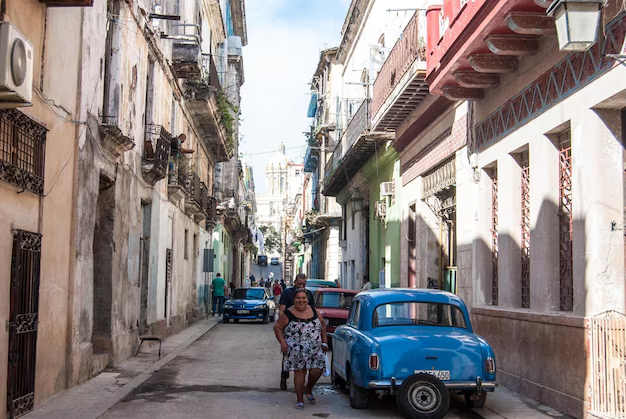
- Walk through Old Havana (Habana Vieja), with its plazas, colonial architecture, and restored buildings
- Visit cultural spots such as music venues, art studios, or historical sites
- Experience Cuba’s classic-car presence as an element of the urban landscape
Viñales Valley
Often included as a day trip or overnight stop:
- Tobacco-growing countryside and traditional farming methods
- Dramatic karst landscapes and rural communities
Cienfuegos and Trinidad
Many itineraries add:
- Cienfuegos, sometimes called the “Pearl of the South,” known for its coastal location and neoclassical architecture
- Trinidad, a well-preserved colonial town with cobblestone streets and colorful facades
Typical Themes and Activities
Guided Cuba tours, including those by Tauck, commonly revolve around cultural immersion rather than beach resort vacations. Activities may involve:
Music and dance
- Visits to jazz clubs, community music projects, or dance demonstrations
- Opportunities to watch live performances or interact with local musicians
Art and architecture
- Studio visits with painters, sculptors, or photographers
- Walking tours through historic districts and plazas
History and society
- Discussions about Cuba’s political history, revolution-era sites, and contemporary life
- Encounters with academics, community leaders, or local guides who share context
Everyday Cuban life
- Meals in paladares (privately run restaurants)
- Visits to markets, urban gardens, or community projects
The emphasis tends to be on learning and cultural exchange rather than beach lounging or nightlife.
How Tauck-Style Tours in Cuba Are Structured
Group Size and Dynamics
Guided tours like Tauck often:
- Operate in small to mid-sized groups, allowing shared experiences while remaining manageable
- Include a tour director plus local guides who provide historical and cultural context
- Rotate seating on buses and plan group meals, which can foster camaraderie among participants
Travelers often find that this structure:
- Reduces the stress of independent planning
- Encourages interaction with fellow travelers
- Also introduces a set pace and schedule that may feel structured to those who prefer full flexibility
Accommodations and Transportation
On organized Cuba tours, logistics are generally pre-arranged. This can include:
Hotels
- Often mid- to upper-tier properties by local standards
- A mix of historic properties in city centers and more modern hotels
- Varying access to amenities like Wi‑Fi, which may be less consistent than travelers are used to elsewhere
Transportation
- Air‑conditioned motorcoaches or minibuses between destinations
- Coordinated airport transfers and internal movements
- Occasionally, classic car rides integrated as part of the cultural experience
Meals and Dining
Many Tauck-style itineraries handle a significant portion of meals, especially group lunches and dinners. These often feature:
- Visits to paladares, showcasing Cuban home-style or creative cuisine
- Set menus designed for groups, occasionally with choices for dietary preferences
- A chance to try traditional dishes like ropa vieja, fresh seafood, rice and beans, and tropical fruits
Travelers sometimes note that dining on a guided tour can feel more curated and less spontaneous, but it often simplifies navigating menu language, locations, and reservations.
Legal, Practical, and Regulatory Considerations
Cuba is subject to evolving travel regulations, especially for visitors from certain countries such as the United States. Tauck and other established tour companies typically design their itineraries in alignment with applicable rules at the time.
Travel Categories and Compliance
For travelers from countries with restrictions, guided tours often help with:
- Travel under specific authorized categories (for example, educational or cultural programs, depending on the regulations in place)
- Record‑keeping requirements, such as maintaining schedules of activities
- Organizing people-to-people–style interactions where relevant, which emphasize contact with residents, artists, entrepreneurs, and community groups
Regulations can change, so travelers frequently verify:
- What categories or permissions apply at the time of travel
- Whether group tours are structured to align with those rules
Currency, Payments, and Connectivity
Practical differences in Cuba include:
Currency and payments
- Some cards from certain countries may not work in Cuba
- Travelers often bring cash in widely recognized currencies for on-the-ground expenses
- Tour packages may cover most major costs, but optional purchases still require planning
Internet and phone access
- Wi‑Fi is more common in hotels and some public spots, but speeds and stability may vary
- International roaming can be limited and costly, depending on the provider
- Many travelers expect to spend more time offline compared with other destinations
Organized tours can ease some of these challenges, as key logistics are prepaid and guided.
Comparing a Tauck Cuba Tour to Independent Travel
Both guided and independent travel have advantages; the better fit depends on personal preferences, experience, and comfort level.
Potential Advantages of a Tauck-Style Tour
- Simplicity: Most logistics—hotels, transport, many meals, and daily schedules—are arranged in advance.
- Educational focus: Tours often highlight local experts, artists, and historians, providing structured opportunities to learn.
- Support: Having a tour director and local guides can help navigate language barriers, unexpected changes, or questions.
- Social element: Group settings offer built-in travel companions and shared experiences.
Potential Drawbacks for Some Travelers
- Less flexibility: Set itineraries leave limited room to change plans on a whim or linger in one place.
- Pace: Some itineraries are quite full, with early starts and multiple activities per day.
- Cost structure: Extras like free time meals, optional activities, or personal purchases are separate, and group tours can feel more expensive than basic, independent travel.
For travelers who prefer to control every detail, an organized program may feel too structured; for those who prefer support and predictability, that same structure can be reassuring.
Who a Tauck Cuba Tour Might Suit Best
While individual preferences vary, a Tauck-style tour in Cuba often appeals to people who:
- Enjoy learning-focused travel, including history, art, music, and social context
- Prefer comfort and convenience over do-it-yourself logistics
- Appreciate having most arrangements handled, especially in destinations with different systems or regulations
- Like traveling in a small to medium group rather than solo or fully independent styles
It may be especially appealing to:
- Travelers who are visiting Cuba for the first time
- Those who typically choose escorted tours in Europe, Asia, or other regions and want a similar format in the Caribbean
- Visitors who want help navigating travel rules and documentation connected to Cuba
Practical Tips for Evaluating a Tauck Cuba Tour (or Any Guided Cuba Itinerary)
Below is a quick-reference summary of useful considerations when looking at Tauck or similar tours:
🧭 Key Questions to Ask Before Booking
Itinerary focus
- Does it emphasize museums and lectures, or more informal cultural interactions?
- Are there visits to both Havana and at least one smaller city or rural area?
Group structure
- How many people are typically in the group?
- Is there a dedicated tour director plus local guides?
Inclusions and exclusions
- Which meals, activities, and entrance fees are included?
- Are internal transfers and airport pick-up/drop-off covered?
Pace and accessibility
- How much walking is involved?
- Are there stairs, cobblestones, or long bus rides to consider?
Regulatory alignment
- For travelers from countries with restrictions: under what category or framework is the tour organized?
- Are required documents or activity schedules provided?
✅ Quick Takeaways for Travelers Considering Tauck Tours in Cuba
At a glance:
🧳 Pack for variability
- Expect a mix of urban walks, rural excursions, and indoor cultural visits.
- Comfortable shoes, light layers, sun protection, and a small day bag are typically useful.
💵 Plan payment strategy
- Bring sufficient cash in commonly accepted foreign currency for tips, souvenirs, and meals not covered in the tour.
- Check in advance whether your cards are likely to function in Cuba.
🌐 Prepare for limited connectivity
- Download offline maps and important documents before departure.
- Let family or friends know you may be less reachable than usual.
🗣️ Engage with the cultural context
- Basic Spanish phrases can be helpful and appreciated.
- Being open to listening, asking questions, and hearing multiple perspectives can enrich the experience.
📝 Clarify expectations with the operator
- Review the detailed day-by-day itinerary.
- Ask about accommodation standards, transportation, and free-time options.
How Tauck Tours Fit Within the Broader Cuba Travel Landscape
Guided tours like Tauck represent one segment of Cuba tourism: structured, curated trips that prioritize cultural content, logistics, and comfort. Alongside this, there are:
- Independent travelers staying in casa particulares (private guesthouses)
- Resort visitors focusing on beach vacations along the northern and southern coasts
- Specialized groups, such as photography tours, educational programs, or music-focused trips
Each approach highlights different aspects of Cuba. Tauck-style tours tend to center on:
- Historical and cultural depth
- Local encounters approved or facilitated through official channels
- A balance of learning, comfort, and pre-planned structure
For many people, this format offers a manageable, informative introduction to Cuba, especially when they want professional support navigating a destination that operates differently from more familiar tourist hubs.
Travel to Cuba continues to evolve, and organized tours adapt along with it. For travelers who value cultural immersion, logistical support, and a well-structured itinerary, Tauck’s style of Cuba tour can be one way to encounter the island’s complexity—its music, art, history, and everyday life—within a thoughtfully guided framework.
Related Topics
- 7 Day Cuba Tours
- Affordable Cuba Tours
- All-inclusive Cuba Tours
- Best Cuba Tours
- Classic Car Cuba Tours
- Cuba Tours
- Cuba Tours 2025
- Cuba Tours Booking Process
- Cuba Tours COVID Restrictions
- Cuba Tours For Americans
- Cuba Tours From Miami
- Cuba Tours From Usa
- Cuba Tours Packages
- Cuba Tours Reviews
- Cuba Tours Travel Insurance
- Cuba Tours Visa Requirements
- Cuba Travel Tours
- Culinary Cuba Tours
- Cultural Cuba Tours
- Eastern Cuba Tours
- Havana Cuba Tours
- Havana Tours In Cuba
- Luxury Cuba Tours
- Multi-city Cuba Tours
- Photography Cuba Tours