What Camera Gear Can You Safely Bring on a Photography Tour in Cuba?
Traveling to Cuba for a photography tour can be incredibly rewarding: layered streetscapes, classic cars, rich culture, and dramatic light almost everywhere you look. At the same time, many visitors wonder what photography equipment is allowed under Cuban import rules and how to avoid issues at the border.
This guide walks through practical gear choices, common restrictions, and packing strategies so you can focus on creating images—not worrying about customs.
Understanding Cuba’s Approach to Photography Equipment
Cuban customs officials generally allow personal-use photography gear without problems. Issues arise more often when equipment appears to be:
- Intended for commercial or broadcast use
- Brought in large quantities (suggesting resale)
- Very high-end or specialized, especially audiovisual gear
As a simple rule, customs tends to be more comfortable when your kit looks like reasonable personal equipment for a traveler, not a mini production studio.
Core Camera Gear That Is Usually Safe to Bring
Main Camera Body (or Two)
Most travelers bring:
- One main camera body (DSLR or mirrorless)
- Optionally, a second body as backup
Bodies that clearly fall into the enthusiast or professional stills category are generally accepted as personal-use gear, especially when packed with typical tourist items (clothing, toiletries, etc.).
Helpful patterns:
- A single body (or two at most) usually appears personal.
- Bodies used primarily for still photography tend to attract less attention than gear that looks like broadcast systems.
Lenses: How Many and What Types?
You can usually travel with a small selection of lenses without concern, such as:
- Wide-angle zoom (for architecture and street scenes)
- Standard zoom (everyday walk-around lens)
- Short telephoto or telephoto zoom (for portraits, details, and compressed cityscapes)
- Optional: small prime lens for low light and discreet street work
Issues become more likely when visitors carry many similar lenses, especially multiples that appear new and boxed, which can look like items for resale.
General pattern:
If your lens kit can be explained as a normal travel setup—perhaps three to four lenses covering different focal ranges—customs officials are less likely to question it.
Accessories That Typically Do Not Raise Concerns
Most photography tours to Cuba proceed smoothly with travelers carrying standard accessories. Common items that usually pass as personal-use include:
- Memory cards and card wallets
- Extra batteries and a charger
- External flash (especially smaller or mid-sized units)
- Lens filters (UV, polarizers, ND filters)
- Remote shutter release
- Cleaning kit (blower, brush, microfiber cloths, sensor-safe tools)
- Camera strap or harness
- Rain covers or simple plastic protection
These are understood internationally as personal photography tools and generally do not stand out at customs, especially when mixed in with your usual travel belongings.
Items That May Attract Extra Scrutiny
Certain categories of equipment are more likely to be questioned, either because they suggest professional production work, broadcasting, or commercial activity.
Large Tripods and Stands
Lightweight travel tripods are common and often accepted as personal equipment. However:
- Very large or heavy-duty tripods
- Multiple tripods or light stands
- Complex support systems (such as large sliders or cranes)
can suggest a commercial shoot rather than a personal photography trip.
If you plan to bring a tripod:
- Consider a compact travel tripod.
- Avoid packing multiple large supports, unless you have documentation explaining a specific, pre-authorized project.
Big Lighting Kits
On many trips, the simplest option is relying on natural light, small reflectors, and perhaps one compact flash or small LED panel.
Extensive lighting setups can attract attention:
- Multiple studio strobes
- Softboxes, large umbrellas, or large modifiers
- Light stands in quantity
- Full battery-powered studio kits
This kind of gear can look like you are entering for commercial fashion or advertising production, which may require a different type of authorization from a simple photography tour.
Drones and Aerial Equipment
Drones are one of the most sensitive categories of equipment for visitors to Cuba.
Concerns around drones typically include:
- Unauthorized aerial filming in sensitive areas
- Security and privacy considerations
- A perception of aerial survey or mapping activity
Travelers frequently report that drones may be confiscated, held, or heavily restricted if brought in without prior authorization. Many tour organizers and experienced travelers suggest not bringing a drone at all unless you have very clear, up-to-date information and any required permits in place.
Large Video or Broadcast Rigs
While casual video capture on a stills camera is common, equipment that looks like a dedicated film or broadcast setup may be treated differently:
- Cinema-style cameras with large rigs
- Follow-focus systems, matte boxes, rails
- Multiple professional microphones, booms, and audio recorders
- Broadcast-type tripods and heads
This type of setup can suggest professional filming or news gathering, which can involve different permissions than those typical tourists travel under.
Laptops, Hard Drives, and Backup Gear
Photography tours often generate a large number of files, so many travelers bring devices for backup and editing. These items are usually seen as normal personal electronics:
- Laptop or tablet
- Portable hard drives or SSDs
- Card readers and cables
- Small power strips or multi-chargers
- Universal travel adapters that match Cuban outlets
As with camera gear, customs tends to focus on volume and appearance. A single laptop and a couple of drives look like any traveler’s kit. A suitcase full of new electronics in boxes could appear commercial.
Practical Packing Strategies to Minimize Issues
How you pack can signal whether your gear is for personal use or commercial activity.
Keep Your Kit Plausible for One Traveler
Aim for a setup that clearly supports one person on a photography tour:
- One or two camera bodies
- A modest range of lenses covering different needs
- One compact tripod (if you use tripods)
- A small selection of accessories
Avoid bringing:
- Multiple copies of the same item, especially new in boxes
- Excessive amounts of sealed, unopened gear
- Bulk quantities of memory cards, batteries, or small electronics that could resemble stock for resale
Mix Gear with Regular Luggage
Packing choices can help:
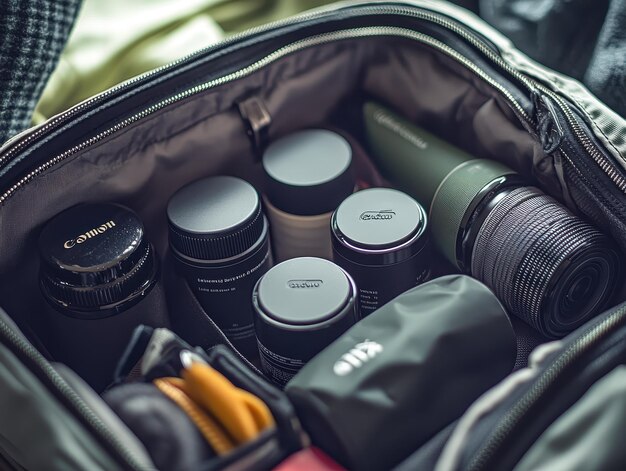
- Place heavy or fragile gear in a camera backpack or shoulder bag as your carry-on.
- Mix less fragile accessories with clothing and standard travel items in checked luggage.
- Avoid the look of a mobile store, with rows of new products still in retail packaging.
Remove Unnecessary Packaging
When practical:
- Remove retail boxes and non-essential plastic wrapping.
- Use pouches, wraps, and dividers instead.
This makes your kit look like gear you use regularly, not equipment intended for sale.
Simple Gear Checklist for a Cuba Photo Tour ✅
Below is a quick reference table summarizing typical patterns travelers consider when packing for a photography trip to Cuba.
| Category | Generally Acceptable as Personal Gear | More Likely to Raise Questions |
|---|---|---|
| Camera Bodies | 1–2 stills cameras | Multiple high-end bodies that look like inventory |
| Lenses | A small, diverse set (3–4 lenses) | Many similar lenses, all new or boxed |
| Tripods & Supports | One compact travel tripod | Several large tripods, stands, sliders, cranes |
| Lighting | One flash or small LED, simple reflector | Full studio kit: multiple strobes, big softboxes, many stands |
| Drones | Often discouraged or restricted | Larger drones, multiple units, extensive accessories |
| Audio/Video Rigs | Basic on-camera mic | Cinema rigs, booms, multiple pro mics, broadcast setups |
| Storage & Backup | Laptop, a couple of drives, card wallets | Large quantity of new, boxed electronics |
| Accessories | Filters, remotes, cleaning kits, straps | Duplicates in bulk or obvious resale stock |
📝 Key takeaway:
Choose a streamlined, travel-friendly kit that clearly supports a single photographer on a tour, rather than a full-scale production crew.
Balancing Creative Ambition With Practical Limits
It can be tempting to bring every piece of gear “just in case,” especially in a visually rich destination like Cuba. Yet many experienced travelers find that:
- Less gear often leads to more focused creativity.
- A compact kit is easier to carry through crowded streets and use discreetly for street photography.
- Simple setups feel more comfortable in small communities and everyday environments.
When you balance your artistic goals with practical limits and local rules, you often end up with a kit that is both efficient and customs-friendly.
Smart Preparation Before You Travel
Photography travelers often take these steps before flying to Cuba:
- 📜 Clarify your purpose: Personal travel, workshop, documentary, or commercial project.
- 🧳 Edit your packing list: Leave behind gear that suggests commercial filming or resale.
- 🧾 Organize documentation: Travel confirmations, tour information, and proof of ownership for expensive items can all be useful.
- 🔌 Plan for power and storage: Sufficient batteries, adapters, and backup options for the duration of your trip.
- 🚫 Think twice about drones and large production rigs: These are among the most sensitive categories of equipment.
Bringing It All Together
A successful photography tour in Cuba usually depends far more on your eye, curiosity, and respect for local life than on the most elaborate kit. When your equipment looks clearly personal, compact, and practical for one traveler, it tends to align better with Cuba’s import expectations and reduces the chance of complications at the border.
By focusing on versatile essentials—one or two bodies, a thoughtful lens lineup, minimal support gear, and careful packing—you leave more room for what matters most: engaging with the people, places, and stories you came to photograph.
Related Topics
- a And k Tours To Cuba
- Are Classic Car Cuba Tours Just For Show Or Do You Actually Travel Between Destinations?
- Are Cuba Tours Legal
- Are Private Cuba Tours For Us Citizens
- Are Small Group Cuba Tours Worth The Higher Price Compared To Larger Groups?
- Are There Any Tours From Key West To Cuba
- Are Weekend Cuba Tours Practical Given The Travel Time From The US And Entry Requirements?
- Can Children Go On Cuba Tours
- Can i Book Tours After i Arrive At Havana Cuba
- Can US Citizens Legally Participate In Cuba Tours In 2026?
- Can Us Citizens Travel To Cuba On Photography Tours
- Do Intrepid Travel Cuba Tours Qualify As Cultural Exchange
- Do Tours In Cuba Include The Beach
- Do You Need Organized Tours To Travel In Cuba
- Do You Need To Book Cuba Tours In Advance
- How Different Is The Culture Experienced In Eastern Cuba Tours Compared To Havana-based Tours?
- How Do Cuba Tours Packages Differ From Independent Travel To Cuba?
- How Do Varadero Cuba Tours Balance Beach Time With Cultural Experiences?
- How Far In Advance Should Cuba Tours Be Booked To Secure The Best Rates And Availability?
- How Many Tours Do Organoponicos In Cuba Give a Week
- How Much Are Tours In Cuba
- How Much Time Should Be Allocated For Havana Cuba Tours To See The Main Attractions?
- How Reliable Are Cuba Tours Reviews On Major Platforms Like TripAdvisor Versus Specialized Travel Forums?
- Is a 7 Day Cuba Tours Package Enough Time To Experience The Main Highlights Of The Country?
- Must Do Tours In Cuba